Integrated Pest Management, or IPM for short, can be one of the most fun aspects of sustainable farming. Think of it as cultivating your own team of superhero insects that go to battle for you in the garden! Insects are a crucial part of any ecosystem and with a little experimentation they can be leveraged to minimize the need for insecticides and bring balance to the garden. Rather than a one-size-fits-all approach, IPM is an ongoing process that involves understanding the life cycles and interactions of insects present in your garden so you can make changes and fine-tune your approach.
Since we are dealing with living creatures with minds of their own, you will likely need to be prepared to spend a season experimenting and keeping track of the species used and when you released them to fine tune for your unique garden. You may also want to keep track of the weather around the times you release insects to give them the best chance of survival in their new habitat. Logging data about your garden as you experiment is the best way to develop your own IPM program and deepens your understanding of the ecosystem you’re crafting.
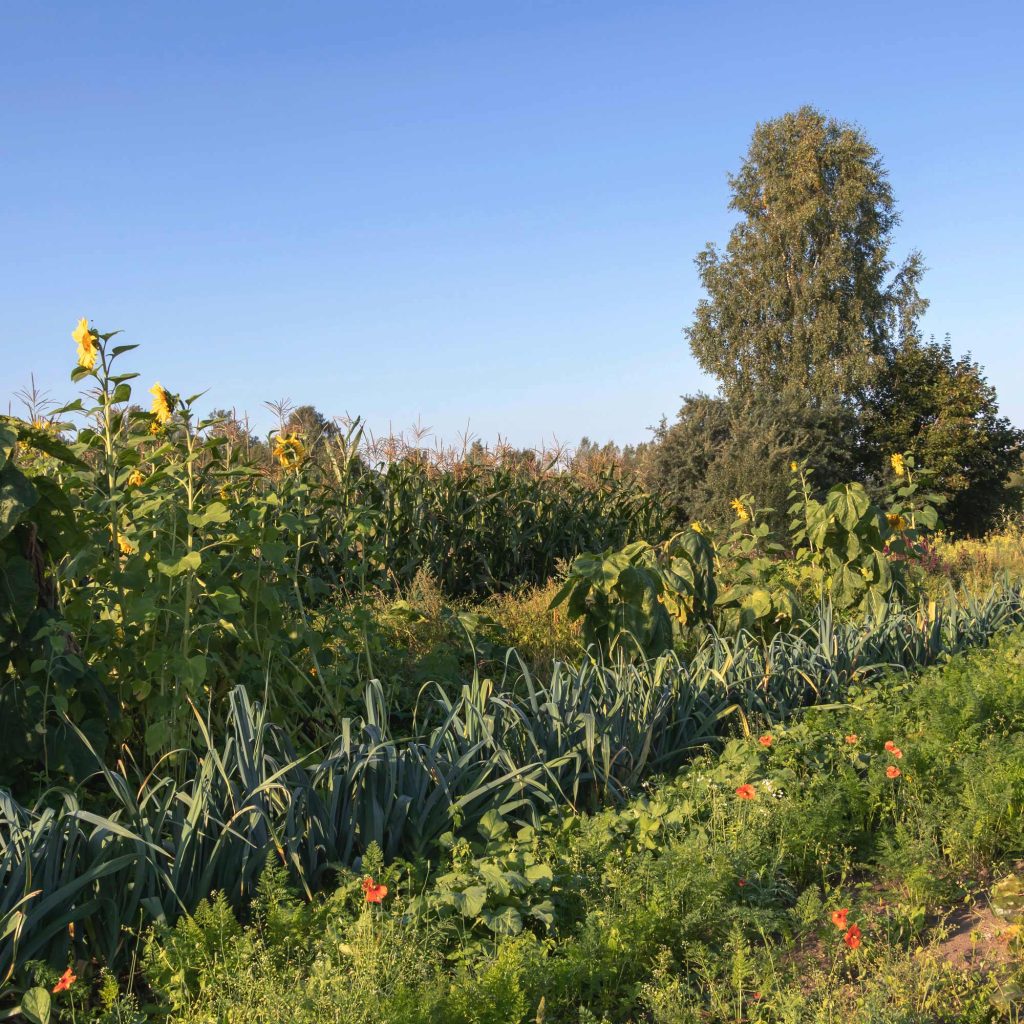
Companion Planting is the practice of integrating plant species into your garden that provide your beneficial insects with the habitat and food they need to thrive. Selecting plants that will attract your beneficial insects also helps keep their population localized in the areas where you need them.
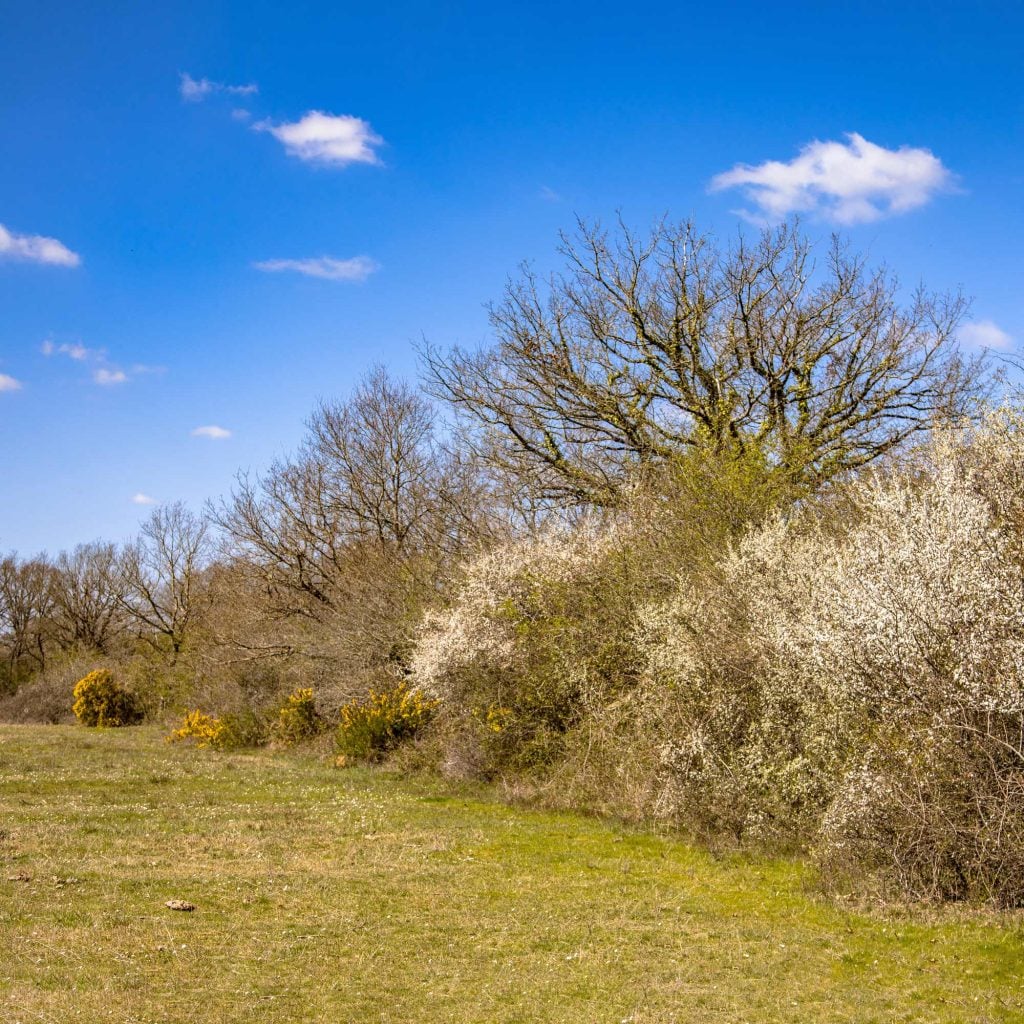
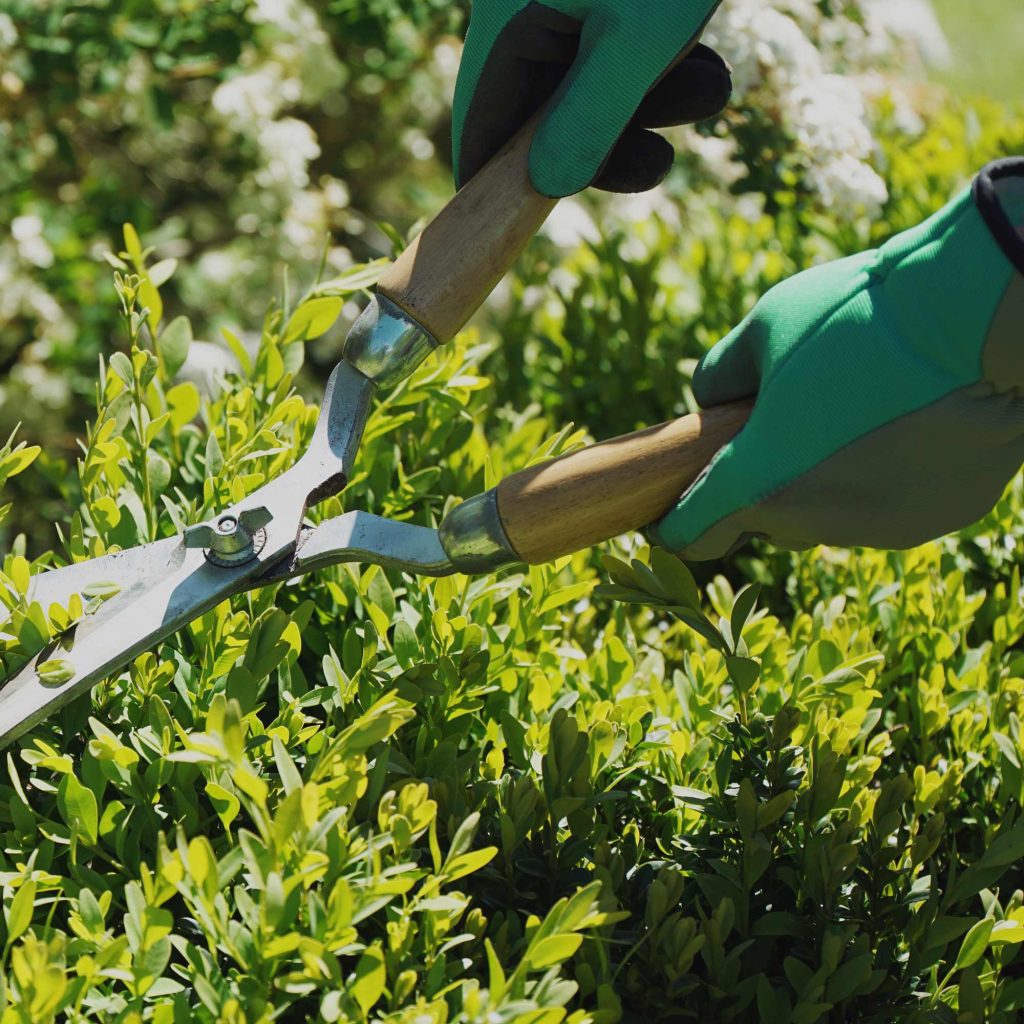
Hedgerows are a classic feature of the British countryside, but they’re not just for looks. Hedgerows are trees or shrubs that are planted densely together like a wall to form a permanent feature of your garden. They create a micro-ecosystem that provides shelter from wind and weather year-round and creates a home for predatory insects, birds, reptiles, and other small mammals. They also feed pollinators if you plant nectar producing flowers along the base.
Hedgerows are a proven concept for benefiting the ecology, but exactly which species to choose is not as clear. Oftentimes multiple tree and shrub species are intermixed, and the ideal species varies depending on your region. We are in the process of studying the effects of hedgerows and will be planting a variety of different plant species. We will be observing the interactions of natural predatory insects to determine which plant species we prefer for hedgerows.
We can help you decide which insects are right for your land. Here’s an overview of the main types of predatory insects that are used for Integrated Pest Management.
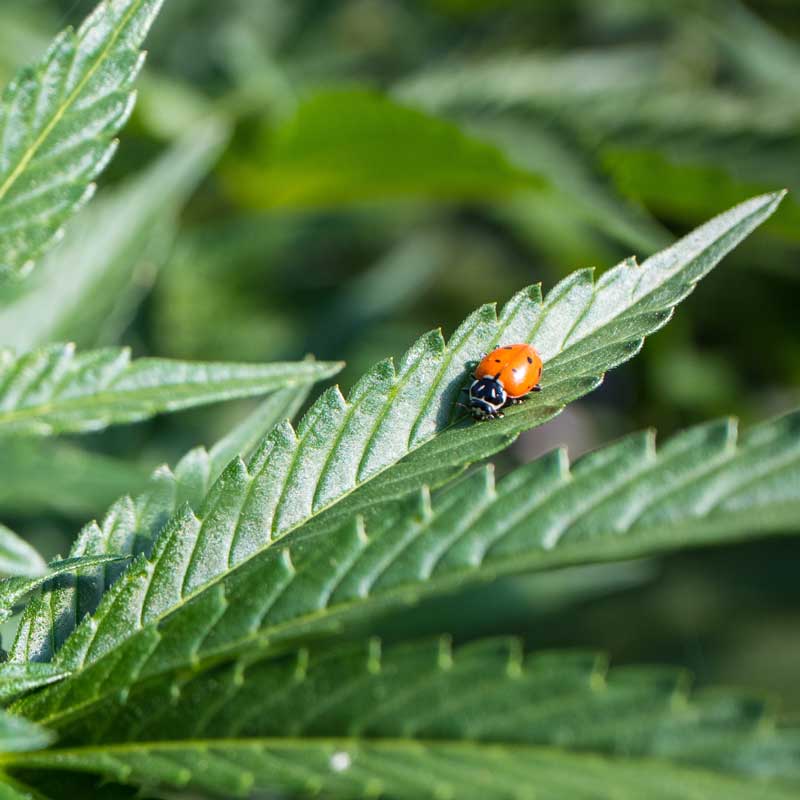
Ladybugs are one of the most well known and loved beneficial insects in our gardens. They love to eat aphids and other small insects. They can fly over a mile into the air and are a migratory insect. Because they are hard to keep on your property we recommended releasing them multiple times per season. It’s also a good idea to plant various companion plants that feed the lady bugs and produce attractant molecules. It is theorized that they are attracted to some flowers that their prey is also attracted to. Lady bugs will eat nectar if there is no prey, but they will usually fly to adjacent fields before settling for nectar.
Predatory mites are beneficial insects that feed on spider mites, thrips and other small insects. There are multiple species available commercially. We recommend releasing a mix of 6+ species every other week for your first season. Use a jeweler’s loop or a strong magnification camera to see which mites are sticking around during different parts of the season and release more of those during the following season. Predatory mites are sensitive to foliar sprays and may not be ideal for every farmer. If you have a spider mite problem, a mix of multiple species is a must.
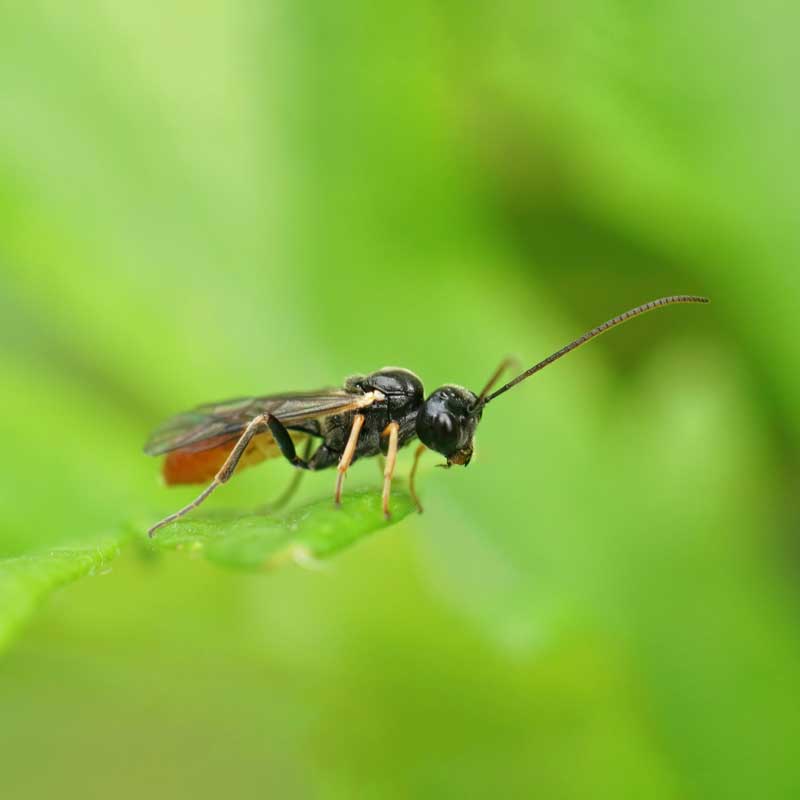
Parasitic wasps are a diverse group of indigenous and introduced species who lay their eggs in the bodies of a wide range of pests including aphids. Some are carnivorous while others feed on plant nectar and pollen. There are multiple species of wasps already present in most areas, so you should provide as diverse of a mix of flowers as possible when selecting your companion plantings. The variety of flower fragrances will attract a diverse group of wasps and also draws out the other pests that wasps eat and parasitize.
These wasps respond well to companion plantings of nectar-producing flowers like yarrow, fennel, thyme, cosmos, and zinnias. We highly recommend purchasing multiple species of parasitic wasps and releasing them at different stages in your season. They are temperature sensitive, and we have found the best populations are cultivated by releasing at the beginning of their season in the area and giving them time to establish a local population.
Timing is the secret sauce of IPM. Choosing the right time to release beneficial insects is one of the trickiest aspects of IPM but one that becomes easier if you are diligent about observation in the field and logging the actions you take to modify the ecosystem. You will likely need to order your insect species online and keep them alive until the right time to release them.
Before you begin planting, you should develop a rough idea of what species you will need to order and when you plan to release them. Talk to potential suppliers ahead of time so you know when the species you need is available and how long they’ll take to ship. Keep in mind that some species like ladybugs have migratory behaviors that affect timing.
Finally, educate yourself on what other people in your local area recommend. Most counties have a university-affiliated “extension office” where you’ll find local insect experts who can guide you to accurate information about different insect species and help you identify an unknown pest in your garden.
Get the latest news about our regenerative farming initiatives.